Mustica: A Handwritten Font for Creative Branding
As I opened a fresh brand board for a new café, I knew I needed something special to set the tone. Enter Mustica, a distinct and relaxed handwritten font that instantly caught my eye. Its trendy, yet approachable letters make it a perfect choice for creating a welcoming and unique visual identity.
The Visual Charm of Mustica
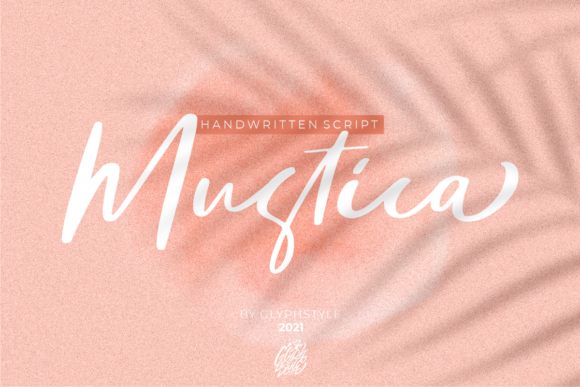
Mustica’s style is both modern and nostalgic, with a touch of whimsy. The letters have a natural, almost spontaneous feel, making them ideal for adding a personal and authentic touch to any design. The font’s versatility is truly impressive, allowing it to work seamlessly in a variety of contexts, from logo design to packaging.
Testing Mustica in Logo Design
For the café's logo, I started by sketching some initial concepts. When I applied Mustica, the transformation was immediate. The font’s relaxed, handwritten style gave the logo a friendly and inviting look, which perfectly aligned with the café’s cozy and welcoming atmosphere. The curves and lines of the letters added a playful, yet professional touch, making the logo stand out.
Brand Identity and Consistency
Once the logo was finalized, I moved on to the rest of the brand identity. Mustica proved to be a versatile typeface, working well on business cards, menu designs, and even the café’s signage. The font’s readability at different sizes and its consistent style helped in maintaining a cohesive and professional look across all materials.
Packaging and Product Labels
For the café’s coffee and pastry packaging, Mustica added a charming and artisanal feel. The handwritten style made the labels look handcrafted, enhancing the overall aesthetic and making the products more appealing. The font’s legibility on small labels and stickers was also a plus, ensuring that all information was clear and easy to read.
Social Media and Digital Presence
When it came to social media graphics, Mustica shone. The font’s trendy and relaxed style made Instagram posts and Facebook banners look fresh and engaging. The café’s digital presence felt more personal and connected, thanks to the handwritten touch. Whether used in a hero image or a simple quote, Mustica added a unique and memorable element.
Practical Advice for Using Mustica
Before fully committing to Mustica for the entire brand system, I recommend testing it in various contexts. Try it out on a few mockups, such as a shop sign, a business card, and a product label. This will help you see how the font performs in different sizes and settings. Additionally, consider pairing Mustica with a clean, sans serif font for a balanced and professional look. This combination can enhance the readability and visual hierarchy of your designs.
Font Pairing and Alternates
Mustica works beautifully as a display or accent font, but it can also be used for headlines and short-form text. For longer text, I suggest using a complementary serif or sans serif font. This not only improves readability but also adds a layer of sophistication. Mustica includes a range of styles, alternates, and ligatures, which can be used creatively to add variety and personality to your designs.
Multilingual Support and Licensing
One of the standout features of Mustica is its multilingual support. This makes it a great choice for brands with an international audience. Additionally, it’s important to check the commercial licensing terms to ensure you can use the font for all your intended purposes. Most premium fonts, like Mustica, come with comprehensive licensing options, so you can use them for both personal and commercial projects.
Final Design Observations
Throughout the project, Mustica consistently impressed me with its ability to add a personal and distinctive touch to every design element. From the café’s logo to its packaging and social media presence, the font played a crucial role in creating a cohesive and appealing brand identity. If you’re looking for a premium, handwritten font that can elevate your branding and design projects, Mustica is definitely worth considering.